
CES 2026 Shock: Agentic AI, Edge AI & Physical AI Will Change Everything in 2026

The Rise of Agentic AI, Edge AI, and Physical AI: Top Technology Trends in the USA for 2026
In 2026, artificial intelligence is shifting from hype to real-world impact across the United States. At CES 2026 in Las Vegas, the spotlight is on agentic AI, edge AI, and physical AI—practical innovations driving productivity, privacy, and automation in everyday life and business.
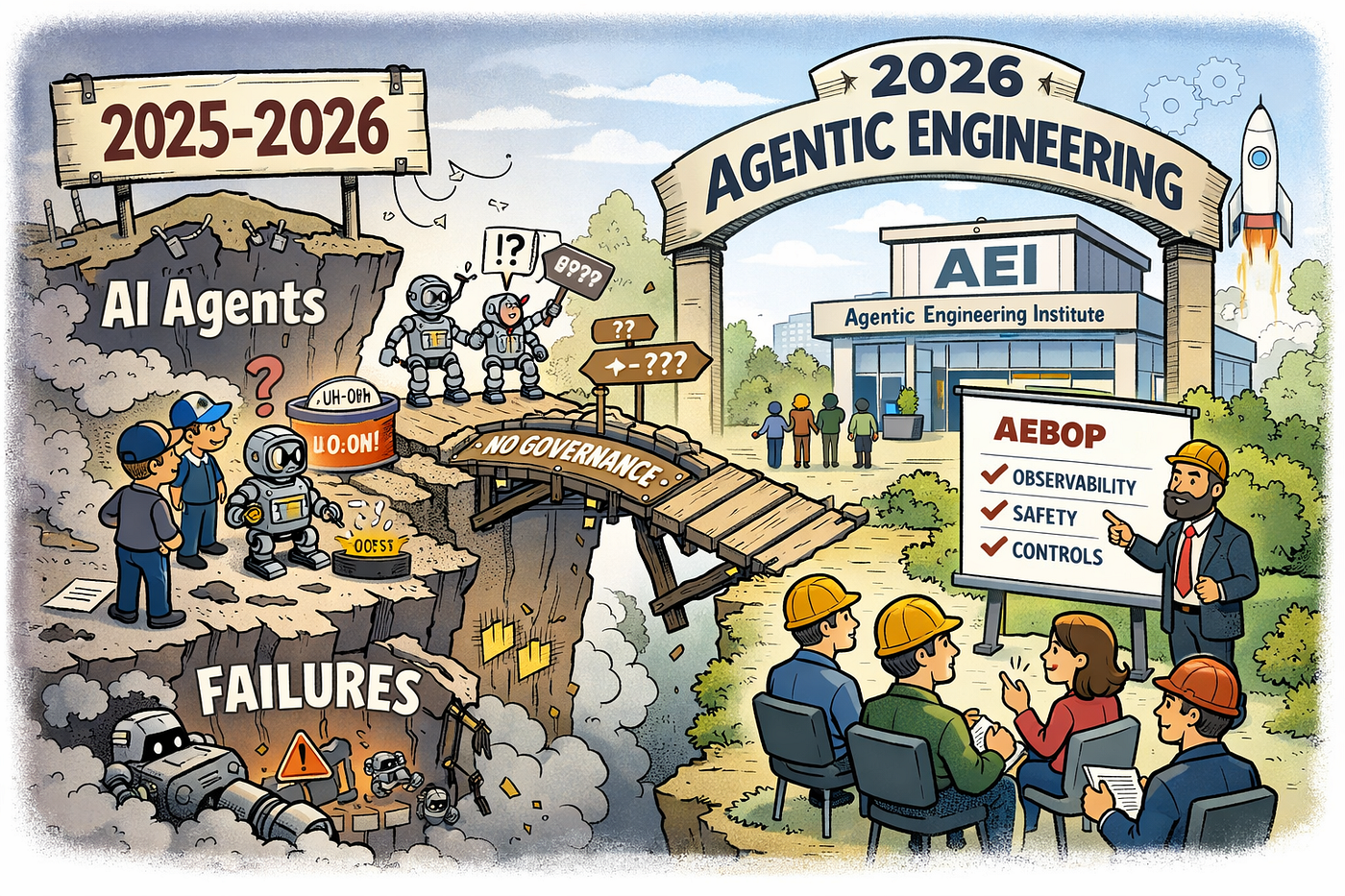

What is Agentic AI and Why It's Trending in the USA
Agentic AI refers to autonomous systems that plan, reason, and execute multi-step tasks independently, going beyond simple responses like chatbots. In 2026, these "AI agents" act as digital coworkers, handling complex workflows in offices, factories, and homes.
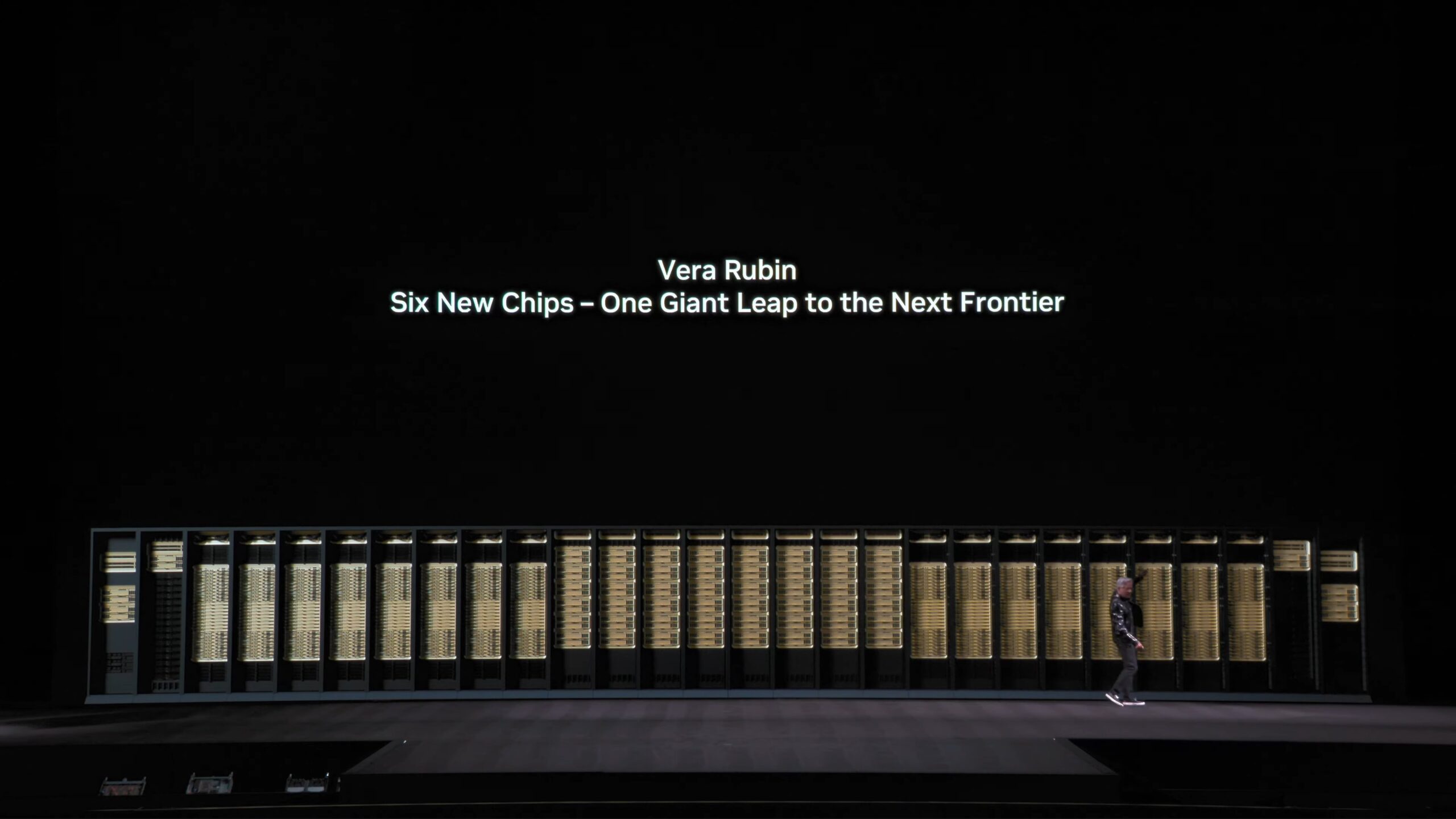
Experts at CES 2026, including announcements from NVIDIA and GIGABYTE, highlight agentic AI moving into production. NVIDIA's Vera Rubin platform supports advanced reasoning for agents, while companies like Hyundai and LG showcase agents controlling physical devices. Deloitte and Gartner predict agentic AI will boost efficiency in industries like manufacturing and healthcare, with US companies leading adoption for competitive edges.
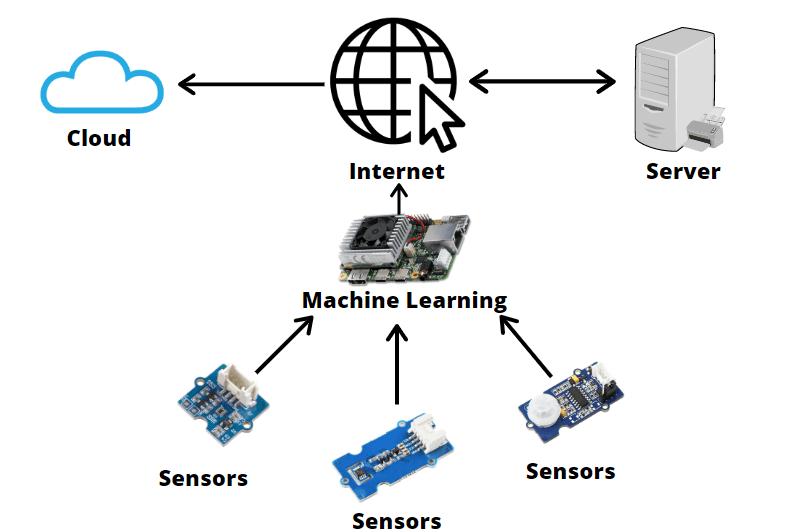
Edge AI: Powering Local Processing for Privacy and Speed
Edge AI runs models directly on devices like laptops, phones, and robots, without constant cloud reliance. This trend explodes in 2026 due to privacy concerns, lower latency, and cost savings—key priorities for American consumers and businesses.
Qualcomm, AMD, and Intel unveiled AI-ready chips at CES, enabling local inference on PCs and mobiles. GIGABYTE's AI TOP series allows running large models privately at home. In the USA, edge AI enhances applications from real-time translation to secure enterprise tools, reducing data breaches and supporting regulations like data sovereignty.
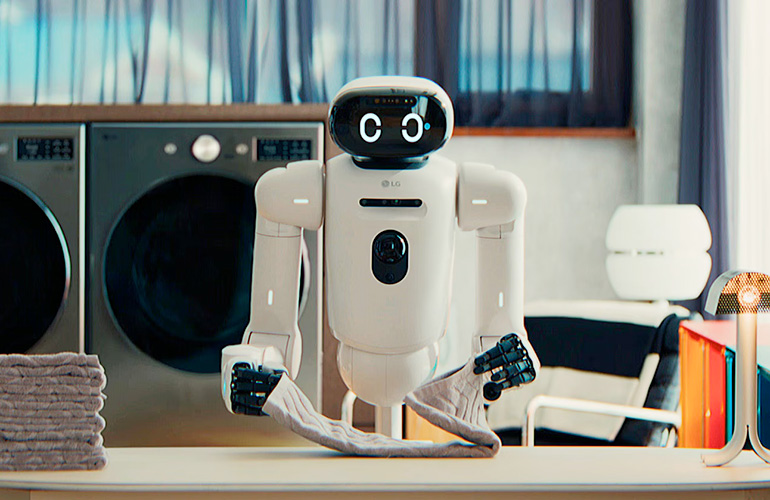
Physical AI: Bringing Intelligence to the Real World
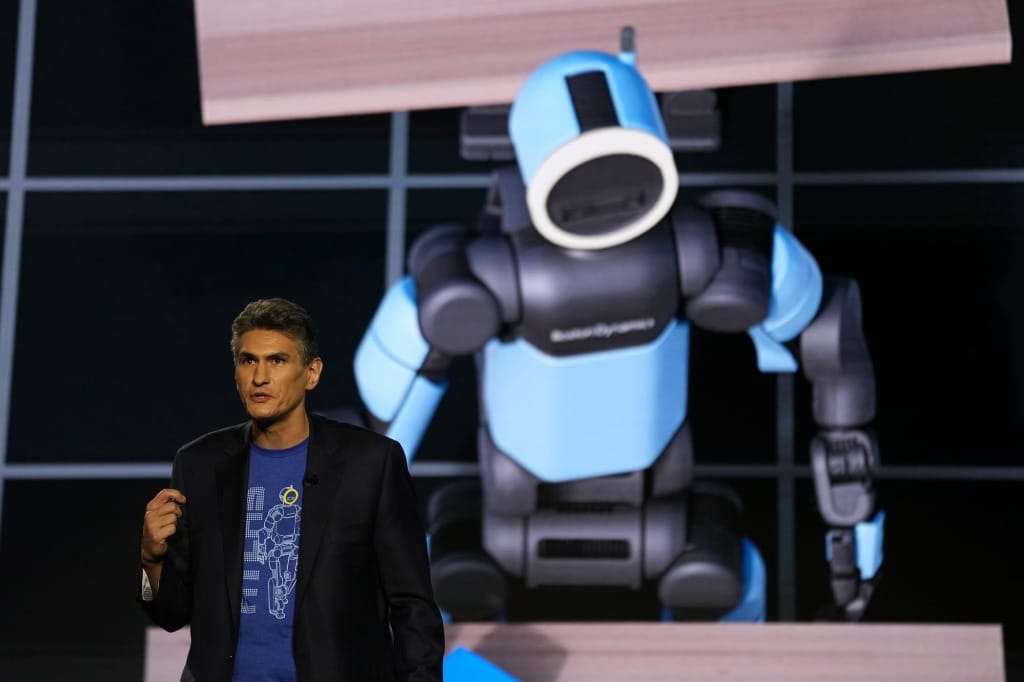
Physical AI combines agentic systems with robotics, allowing machines to interact with the physical environment. CES 2026 features humanoid robots from LG (CLOiD for home tasks) and Hyundai's upgraded Atlas for industrial work.
NVIDIA emphasizes "physical AI" revolutionizing factories and warehouses. In the US, this trend addresses labor shortages, with robots handling repetitive or dangerous jobs. From home assistants to autonomous vehicles, physical AI promises safer, smarter interactions.
Why These Trends Matter for Americans in 2026
These AI advancements create jobs in tech hubs like Silicon Valley, improve healthcare (e.g., AI diagnostics), and enhance daily life (smarter homes). However, focus shifts to ethical deployment, security, and ROI as companies prove value beyond demos.
As CES 2026 shows, the USA leads in turning AI into practical tools. Stay ahead by exploring these innovations—they're shaping the future now.
- After the introduction paragraph (before first image carousel) – high visibility at top.
- After the "Agentic AI" section (post-image) – mid-article break.
- After the "Edge AI" section – natural pause.
- After the "Physical AI" section (post-second image carousel) – engaging visual break.
- At the end, before the conclusion paragraph – final push before wrap-up.
- Avoid placing inside lists or directly under headings for better user experience. These spots maximize clicks without disrupting flow! 🚀

