
AI Infrastructure Trends 2026 USA: The Massive Boom in Data Centers & Edge AI

AI Infrastructure Trends in the USA 2026: Powering the Next Wave of Artificial Intelligence
In 2026, the United States is leading the global charge in AI infrastructure, transforming how artificial intelligence is built, scaled, and sustained. From massive hyperscale data centers to cutting-edge edge computing, the focus is shifting toward efficiency, sustainability, and massive compute power to support advanced AI models. Reports from Gartner, Deloitte, and the U.S. Department of Energy highlight explosive growth: AI data centers could account for up to 10% of U.S. electricity consumption by 2030. This blog dives deep into the hottest AI infrastructure trends in the USA for 2026, exploring challenges, innovations, and opportunities for businesses and tech enthusiasts alike.

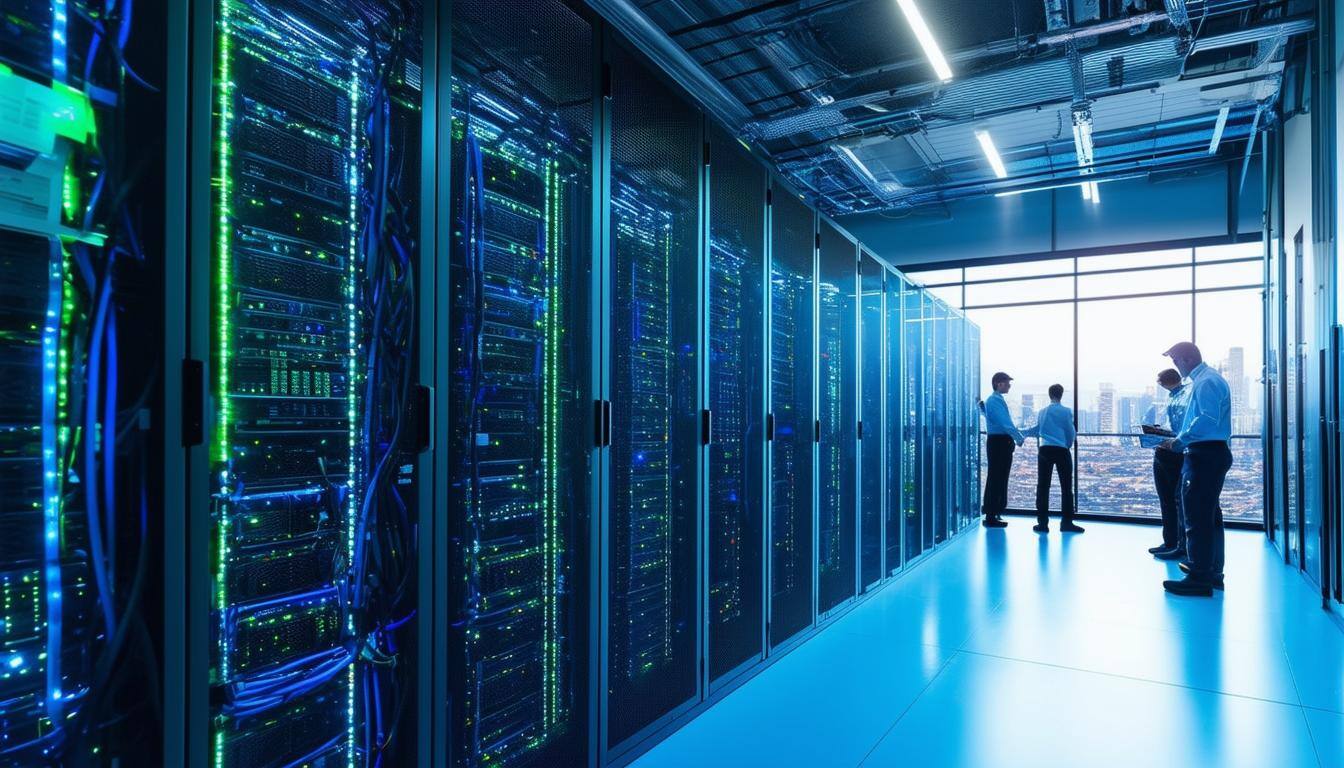
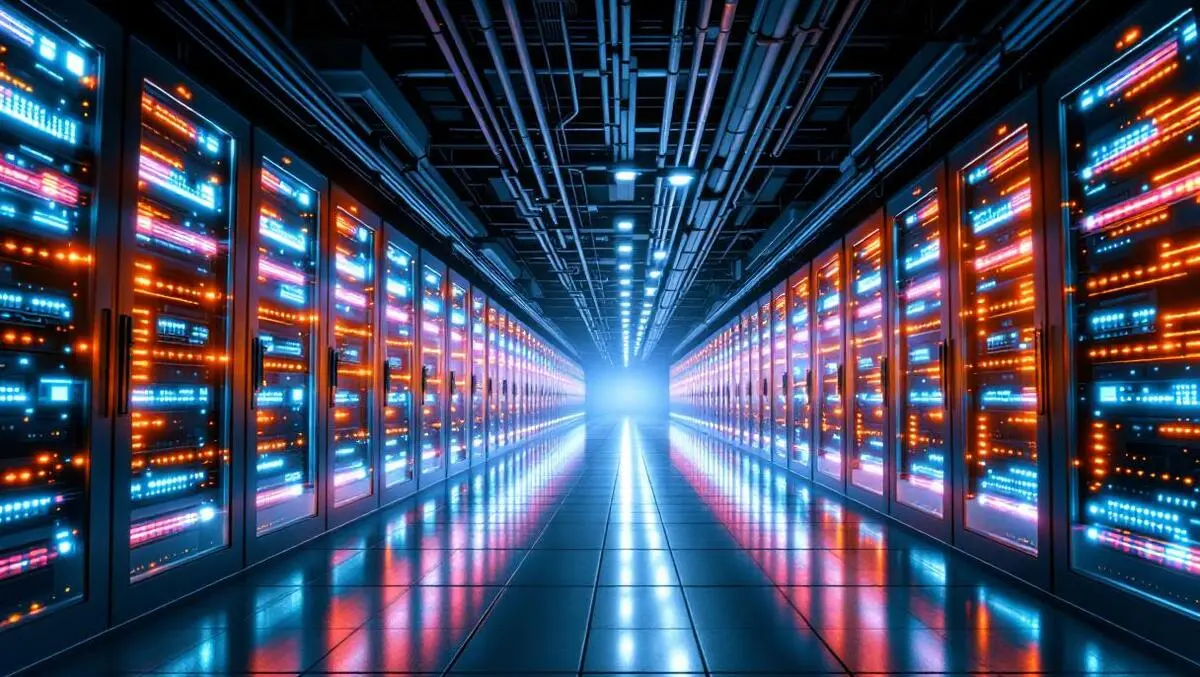
The Boom in Hyperscale Data Centers and Power Demands
At the core of AI infrastructure in the USA lies the rapid expansion of hyperscale data centers. Tech giants like Microsoft, Google, Amazon, and Meta are investing trillions—Microsoft's CapEx alone exceeds $90 billion annually, much directed toward AI-ready facilities. New "AI factories" are popping up in states like Virginia, Texas, Arizona, and Iowa, with projects like OpenAI's ambitious Stargate supercomputer pushing boundaries.
But growth brings hurdles. U.S. data centers already consume over 4% of national electricity (around 200 TWh in 2025), and projections show demand tripling by 2030 due to AI training and inference workloads. Grid strain is real, leading to delays in new builds and innovative solutions like nuclear restarts or natural gas peaker plants.
Edge AI: Decentralizing Compute for Faster, Smarter Applications
One of the standout AI infrastructure trends 2026 USA is the rise of edge AI—processing intelligence directly on devices rather than centralized clouds. This minimizes latency, boosts privacy, and slashes bandwidth costs. Neuromorphic chips, inspired by the human brain, are gaining traction for their ultra-low power consumption (up to 100x more efficient than traditional GPUs for specific tasks).
In America, edge AI is revolutionizing industries: self-driving cars from Tesla and Waymo, smart manufacturing in factories, healthcare wearables, and IoT in smart cities. Companies like Qualcomm, Intel, and startups are rolling out specialized hardware, with Gartner predicting edge will handle 75% of enterprise data by 2027.


Specialized Hardware: Moving Beyond GPUs
While NVIDIA dominates with its Blackwell platform (delivering massive leaps in performance and efficiency), 2026 sees diversification in AI chips. Custom accelerators from Google (TPUs), Amazon (Trainium/Inferentia), and Microsoft (Maia) are challenging the status quo. Emerging neuromorphic and photonic computing promise even greater breakthroughs.
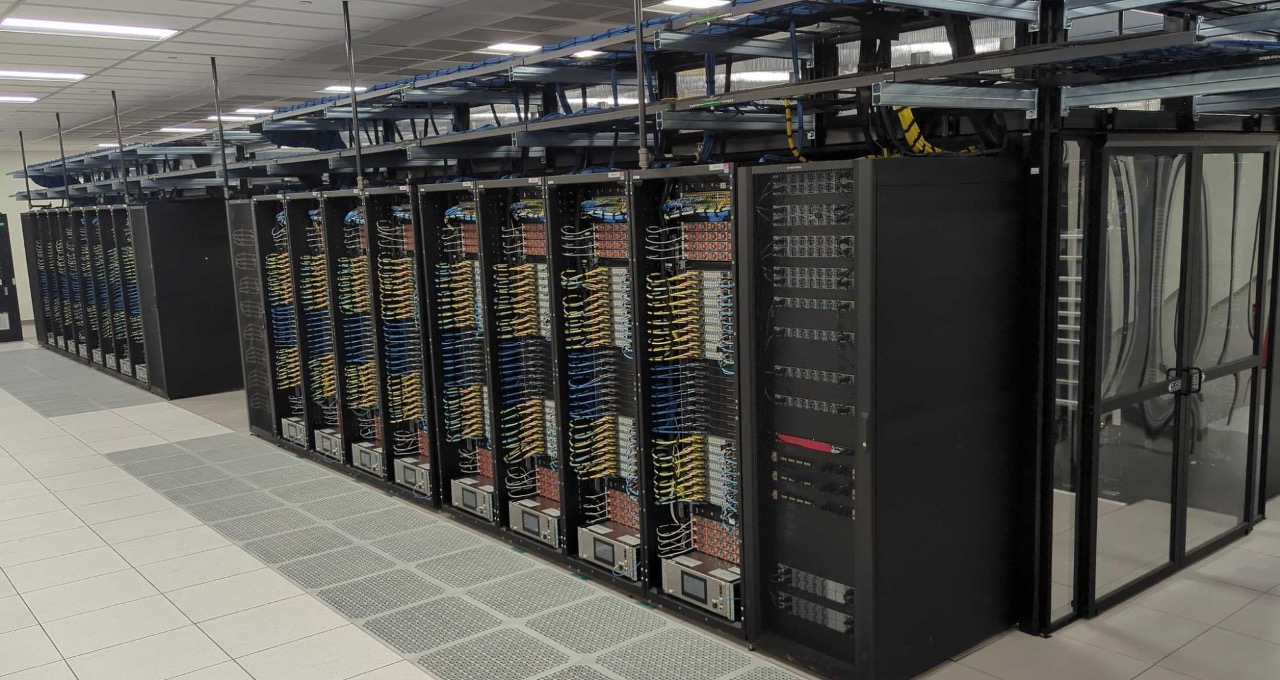
U.S.-based "AI factories" equipped with thousands of NVIDIA GB200 systems are going live, enabling exascale computing for research and enterprise.
Sustainability: The Green Push in AI Infrastructure
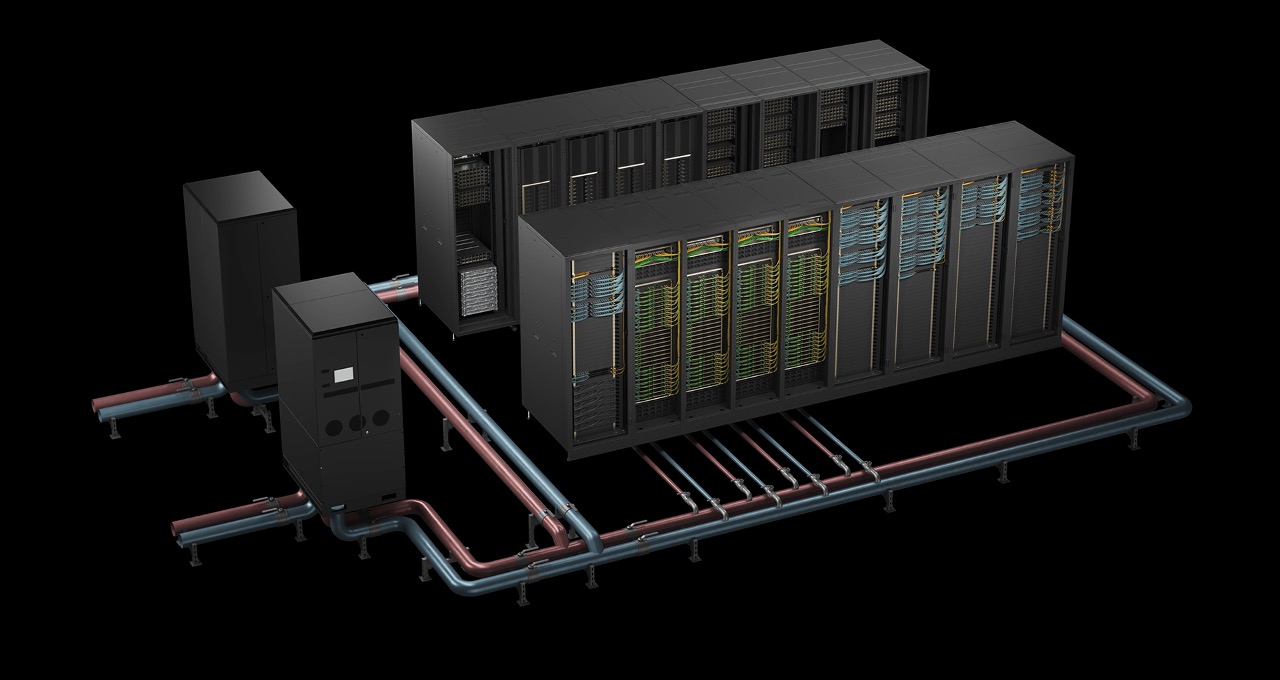
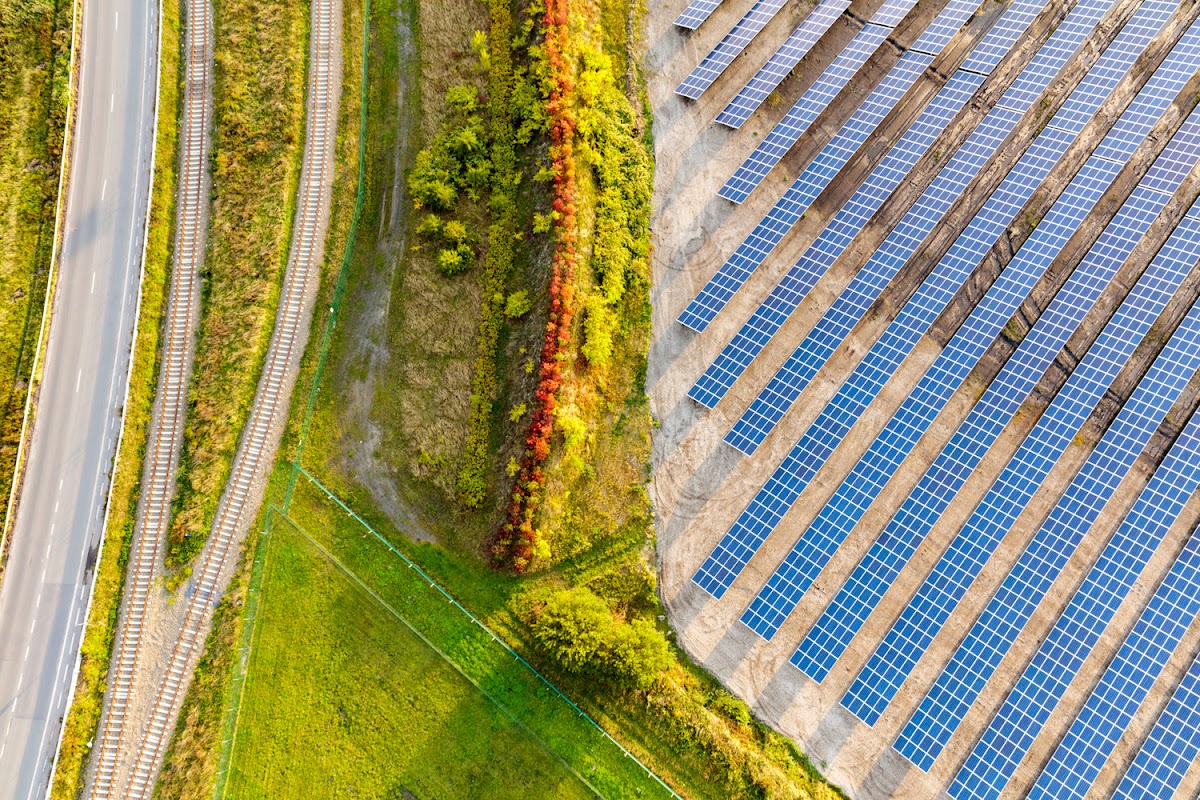
Sustainability is no longer optional—it's essential. With power consumption skyrocketing, U.S. data centers are adopting liquid cooling, renewable energy integrations, and efficient designs. Companies are signing massive solar and wind deals, with on-site or nearby renewables powering facilities.
Innovations like immersion cooling and reusable energy (e.g., waste heat for communities) are trending, alongside policy pushes for carbon-neutral operations.

Key Players and Future Outlook in the USA
Leaders include NVIDIA, hyperscalers (AWS, Azure, Google Cloud), and challengers like CoreWeave. The U.S. government's CHIPS Act continues fueling domestic chip production, ensuring leadership in AI infrastructure.
Looking ahead, hybrid cloud-edge models, agentic AI support, and quantum integration will dominate. Challenges like supply chain resilience and cybersecurity remain, but opportunities abound for innovation.
What’s your take on the biggest AI infrastructure trend in the USA for 2026—edge computing, sustainability, or something else? Drop a comment below!

